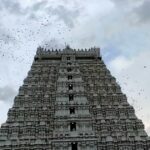
Shrinathji Temple Nathdwara is one of the most famous temples dedicated to Lord Krishna in India. Located in the town of Nathdwara, Rajasthan, it welcomes thousands of devotees every day. People visit the temple to seek blessings, attend the sacred darshan, and experience its peaceful atmosphere. The temple is known for its rich history, beautiful traditions, and unique daily rituals that have been followed for centuries.
If you are planning a visit, this guide will help you with everything you need to know. You will find the latest darshan timings, temple opening hours, online booking process, VIP darshan details, travel information, nearby places, and helpful visitor tips. Whether you are visiting for the first time or returning with your family, this guide will help you plan a smooth and memorable trip to Shrinathji Temple Nathdwara.
About Shrinathji Temple Nathdwara
Shrinathji Temple, nestled in the sacred town of Nathdwara in Rajasthan’s Rajsamand district, stands as one of the most visited Vaishnava shrines in India. The temple enshrines a black marble idol of Lord Krishna in his seven-year-old child form, left arm raised as he lifts Govardhan Hill to shelter his devotees. This self-manifested deity, known as Shrinathji or Shree Goverdhan Nath Ji, draws millions of pilgrims from across India and abroad every single year.
What sets this temple apart is its living tradition of worship rooted in the Pushti Marg sampradaya, founded by the 15th-century saint Vallabhacharya. Here, the deity is not merely worshipped he is cared for as a divine child. He is bathed, dressed, fed, and put to sleep through a structured daily ritual cycle called Jhanki darshan, where devotees glimpse Shrinathji in different moods and adornments throughout the day.
The town of Nathdwara itself meaning “Gateway to the Lord” has grown around this sacred shrine. It is also famous for Pichwai paintings, a traditional art form that depicts scenes from Shrinathji’s divine life.
History of Shrinathji Temple
The history of Shrinathji Temple begins at Govardhan Hill near Mathura, where the self-manifested idol was discovered in the early 16th century. Vallabhacharya recognized its divine significance and established regular worship there under the Pushti Marg tradition.
By the late 17th century, Mughal invasions threatened the safety of the idol. In 1672, Goswami Damodar Das Bairagi Ji transported the deity from Govardhan to protect it. According to temple legend, the chariot carrying the idol came to an unexpected halt in a small village then called Sinhad. The wheels sank deep into the mud, and this was interpreted as Shrinathji’s divine wish to reside there. That village was renamed Nathdwara the abode of the Lord and the temple was established on that very spot.
Over the following centuries, the Mewar royal family, particularly the rulers of Udaipur, became devoted patrons of the temple, providing resources and protection. This royal association elevated Nathdwara into a major center of Vaishnava pilgrimage and Rajasthani cultural heritage.
Related post: Ayodhya Ram Mandir Free Sugam Darshan E-Pass 2026: Complete Online Booking Guide, Timings, Aarti Pass & Visitor Tips
Legend of Shrinathji Temple
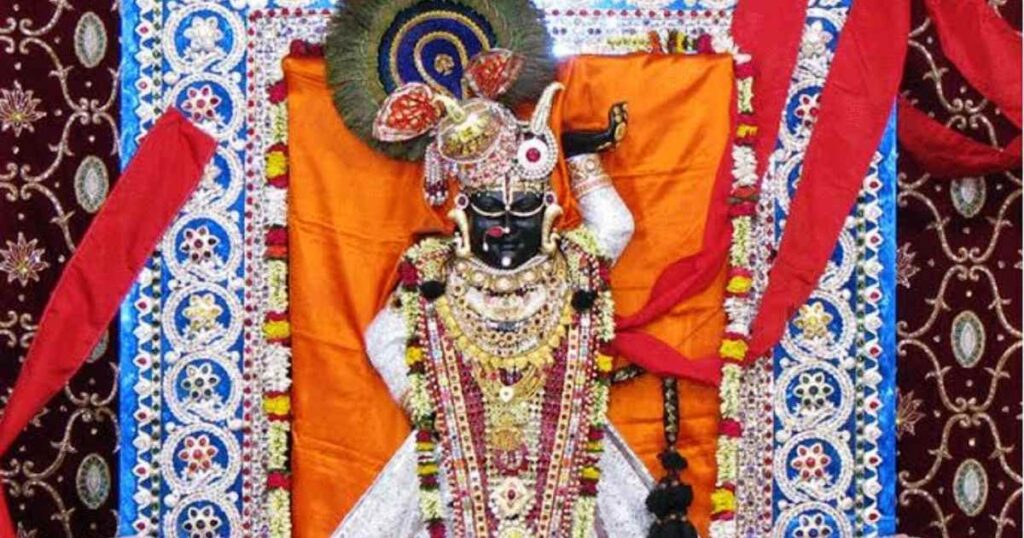
The central legend of Shrinathji Temple revolves around Lord Krishna lifting Govardhan Hill. As the story goes, Lord Indra, angered that the villagers of Braj chose to worship the hill instead of him, unleashed torrential rains as punishment. Seven-year-old Krishna calmly lifted Govardhan Hill on his little finger and held it aloft for seven days and nights, sheltering all the villagers and their cattle underneath it.
This miraculous act is eternally commemorated in the temple idol Shrinathji stands with his left arm raised, Govardhan Hill balanced effortlessly above him. The idol is believed to have self-appeared (Swayambhu), making it even more sacred in the eyes of devotees.
Architecture of Shrinathji Temple
Unlike most Indian temples built in the Nagara or Dravidian style, Shrinathji Temple follows the traditional Rajasthani haveli architectural style. The temple resembles a grand royal mansion more than a conventional shrine, with whitewashed facades, carved stone balconies, wooden doorways, and open inner courtyards.
The complex features spacious sabha mandaps (assembly halls), intricately carved pillars, and walls adorned with vibrant Pichwai paintings large cloth panels depicting seasonal festivals and episodes from Shrinathji’s divine life. There is no tall shikhara (tower) over the sanctum, which is unique among major Hindu temples.
Inside the sanctum, the idol is placed in a recessed alcove (garbhagriha) draped with seasonal ornaments and fabrics. The inner layout is designed to support the smooth flow of the Jhanki darshan system, allowing hundreds of devotees to witness each unveiling in an organized manner.
Shrinathji Temple Timings
The temple follows a structured daily schedule with two main darshan windows separated by a midday break.
| Day | Morning Opening | Midday Closing | Evening Reopening | Night Closing |
| Monday – Sunday | 5:00 AM | 12:30 PM | 4:00 PM | 8:30 PM |
Note: Timings may shift during major festivals like Janmashtami, Annakut, Holi, and Diwali. Always confirm with the temple office or official website before visiting.
Best Time to Visit Shreenathji Temple
The most comfortable time to visit Shrinathji Temple is October through March. Rajasthan’s winters bring mild temperatures (around 15–25°C), clear skies, and manageable crowd levels ideal for long darshan queues and temple exploration.
- October–December: Post-monsoon freshness, Diwali and Annakut celebrations at the temple
- January–March: Pleasant weather, Holi festival season approaching
- April–June: Avoid if possible scorching heat above 40°C makes outdoor waiting extremely uncomfortable
- July–September: Monsoon brings lush greenery but also heavy rains and increased humidity
If your goal is to witness the most vibrant version of Nathdwara, plan around Janmashtami (August/September) or Annakut (day after Diwali) but book accommodation and darshan passes well in advance, as the town fills up rapidly.
Shrinathji Temple Darshan Timings
Shrinathji Temple follows a daily eight-Jhanki schedule where the deity is unveiled at specific times, each representing a moment in Shrinathji’s daily divine routine from waking up to going to sleep. This system makes every darshan at Nathdwara a living, immersive experience.
| Jhanki (Darshan) | Timings | Significance |
| Mangala Darshan | 5:30 AM – 6:30 AM | First glimpse after morning awakening |
| Shringar Jhanki | 7:15 AM – 7:45 AM | Deity dressed in ornate attire |
| Gwal Jhanki | 9:15 AM – 9:45 AM | Shrinathji departs to graze cows |
| Rajbhog Jhanki | 11:15 AM – 12:15 PM | Grand midday food offering |
| Utthapan Jhanki | 3:30 PM – 4:00 PM | Deity awakens from afternoon rest |
| Bhog Jhanki | 4:45 PM – 5:15 PM | Light evening food offering |
| Sandhya Aarti | 5:15 PM – 6:15 PM | Evening prayer and aarti |
| Shayan Jhanki | 7:30 PM – 8:00 PM | Deity prepared for night’s rest |
Pro Tip: Arrive 30–45 minutes early for Mangala and Rajbhog darshans, as these attract the heaviest crowds. The Shringar Jhanki is particularly beloved for the elaborate decoration of Shrinathji.
Entry Fees at Shrinathji Temple
General darshan at Shrinathji Temple is completely free of charge. For devotees seeking priority access or a more intimate spiritual experience, paid options are available.
| Darshan / Seva Type | Fee |
| General Darshan | Free |
| Special Darshan | ₹100 |
| VIP Darshan | ₹500 |
| Sevas / Manoraths | ₹250 – ₹5,000+ |
VIP Darshan & Seva Options
For devotees who want a peaceful, crowd-free darshan experience, the temple offers several VIP and seva-based options:
- VIP Darshan Pass Priority entry, shorter queues, closer view of the deity
- Manorath Seva A personal prayer ritual performed for the fulfillment of a devotee’s specific wish
- Rajbhog Seva Participate in or sponsor the grand midday food offering
- Shayan Bhog Seva Offer food to Shrinathji during the night ritual
- Vastra Seva Donate sacred clothing and ornaments to the deity
- Phool Seva Arrange fresh floral decorations for the sanctum
- Annadan Seva Sponsor meals for pilgrims and the needy visiting the temple
VIP and seva bookings are especially recommended during festival seasons and long weekends when general queues can stretch for several hours.
Shrinathji Temple Online Darshan Booking 2026
The official online darshan booking system for Shrinathji Temple allows devotees to pre-book entry passes and seva slots from home, avoiding long queues at the counter.
Step-by-Step Booking Process:
- Visit the official temple website: nathdwaratemple.org
- Register with a valid email address and mobile number (first-time visitors)
- Log in to your account and select Darshan Booking or Seva Booking
- Choose your preferred Jhanki date and time slot from the 2026 darshan calendar
- Enter complete devotee details including name, age, and ID proof number
- Specify the number of persons in your group
- Complete the payment for Special, VIP, or Seva bookings (General darshan is free)
- Download the booking confirmation slip (PDF) immediately after payment
- Carry a printed or digital copy along with original ID proof for entry verification
Required Documents for Booking
Keep the following ready before initiating your online darshan booking:
- Valid government-issued photo ID (Aadhaar card, PAN card, or Passport)
- Active mobile number linked to your booking account
- Email address for confirmation receipt
- Names and ages of all family members or group members being included in the booking
How to Reach Shrinathji Temple?
Nathdwara is well connected by air, rail, and road, making it accessible from most major cities in India.
By Air
The nearest airport to Nathdwara is Maharana Pratap Airport, Udaipur, located approximately 45–50 km away. Direct flights connect Udaipur to Delhi, Mumbai, Jaipur, and other major cities. From the airport, pre-booked taxis and cab services reach Nathdwara in about 60–90 minutes, depending on traffic.
By Train
The closest railway station with good connectivity is Mavli Junction, around 30 km from Nathdwara. Udaipur City Railway Station (~48 km away) offers a wider range of trains from cities like Delhi, Jaipur, Mumbai, and Ahmedabad. From both stations, local taxis, shared jeeps, and buses are readily available for the onward journey to Nathdwara.
By Road
Nathdwara sits directly on NH 58, making road travel easy and scenic. The Udaipur to Nathdwara distance is around 45–48 km and takes roughly 60–75 minutes by car or bus. Rajasthan State Road Transport Corporation (RSRTC) operates regular buses from Udaipur. Private taxis, Volvo buses from Jaipur, and self-drive options are also popular. The route passes through the Aravalli hills and offers beautiful views along the way.
Rituals in Shrinathji Temple
The daily ritual cycle at Shrinathji Temple follows a sequence that treats the deity as a living divine child:
- Mangala Darshan The day begins with aarti and the first viewing of Shrinathji after his morning awakening
- Shringar Darshan Priests dress the deity in seasonal attire with flowers and ornaments while devotional bhajans fill the air
- Gwal Darshan Shrinathji is presented as setting off to graze cows; sweets and tulsi leaves are offered
- Rajbhog Darshan The grand midday meal is offered to the deity; this is the most celebrated darshan of the day
- Utthapan Darshan Shrinathji is awakened after his afternoon rest with gentle ritual
- Bhog Darshan A lighter evening meal of fruits and snacks is offered
- Sandhya Aarti The evening aarti is performed as Shrinathji returns with the cows at dusk
- Shayan Jhanki The final ritual of the day: Shrinathji is dressed for sleep and put to rest with prayers
Festivals in Shrinathji Temple
| Festival | Season | Highlights |
| Janmashtami | August/September | Krishna’s birthday; night vigil, special decorations, massive crowds |
| Annakut | Day after Diwali | Thousands of food items arranged as an offering mountain |
| Holi | February/March | Colorful celebrations; Shrinathji dressed in vibrant attire |
| Diwali | October/November | Lamp-lit temple, fireworks, special sevas |
| Jhulan Yatra | July/August | Swing festival with the deity placed on a beautifully decorated swing |
| Rathyatra | Summer | Shrinathji on a silver chariot; 1,00,000 mangoes offered |
Tips to Visit Shrinathji Temple
- Arrive 30–45 minutes early for Mangala and Rajbhog darshans to secure a good spot
- Dress traditionally women in sarees or salwar suits, men in kurta-dhoti; western casuals, shorts, and sleeveless tops are not permitted
- Carry a valid photo ID at all times for verification at the entry gate
- Photography of the main deity idol is strictly prohibited inside the sanctum
- Shoes must be removed before entering the temple premises
- Avoid visiting on weekends or festival days if you prefer a calm, crowd-free darshan
- Book darshan online in advance, especially during peak pilgrimage seasons
- Maintain silence inside the temple and respect ongoing rituals
- Try the Sagar Prasad from the temple counter a rich sweet made with ghee, almonds, and sugar
Accommodations Near Shrinathji Temple
Nathdwara offers options across all budget ranges, from basic dharamshalas to comfortable hotels:
- Sky Imperial Hotel Mid-range comfort, close to temple
- Hotel Shrinathji Residency Popular among pilgrims for its proximity
- Hotel Raj Palace Good facilities with spacious rooms
- Hotel Krishna Palace Budget-friendly option near main market
- Hotel Shyam Sagar Decent amenities, ideal for overnight stays
- Dharamshalas (e.g., Nathdwara Shri Modh Vanik Bhavan, Patel Dharmashala) Budget-friendly, clean, and walking distance from the temple
Booking accommodation in advance is strongly advised during festivals and long weekends, when every property in Nathdwara fills up fast.
Places to Visit Near Shrinathji Temple Nathdwara
Make the most of your Nathdwara pilgrimage by exploring these nearby attractions:
- Eklingji Temple (~22–27 km) A magnificent Shiva temple with beautiful 15th-century architecture; a must-visit
- Rajsamand Lake (~14 km) Scenic 17th-century lake built by Maharana Raj Singh with ornate ghats
- Charbhuja Temple (~48 km) Ancient Vishnu temple known for its architectural grandeur
- Dwarkadhish Temple, Nathdwara Another Krishna shrine in the town, popular with visiting pilgrims
- Nathdwara Museum Showcases Pichwai paintings, temple artifacts, and regional history
- Mewar Art Gallery Miniature paintings, handicrafts, and cultural exhibits from the Mewar region
- Shrinathji Garden A peaceful green space near the temple for quiet reflection
What Can I Buy in Nathdwara?
Nathdwara’s markets are a treasure trove of spiritually significant and artistically rich souvenirs:
- Pichwai Paintings Intricate, hand-painted cloth artworks depicting Shrinathji and scenes from Krishna’s life; these are the most coveted keepsakes from Nathdwara
- Temple Idols and Frames Brass, marble, and painted idols of Shrinathji in various sizes
- Religious Souvenirs Incense, chandan, rudraksha, and items used in home worship
- Local Sweets Bundi Ladoo, Mohanthal, Rabdi, and packaged Prasad items
- Rajasthani Handicrafts Textiles, bangles, embroidered fabrics, and block-printed items
The lanes surrounding the temple are lined with specialty shops. The Pichwai art market is particularly worth exploring even if you only plan to browse.
What to Eat at Nathdwara?
Temple Prasad: The most iconic food experience here is Sagar Prasad a rich, dense sweet prepared with pure ghee, almonds, and sugar. It is distributed after darshan and carries deep spiritual significance for devotees. Other prasad items include Panjiri, Bundi Ladoo, and Mohanthal.
Street Food: The streets around Nathdwara are packed with flavors unique to Rajasthan:
- Rabdi Thick, slow-cooked sweetened milk; Nathdwara’s version is particularly famous
- Thandai A chilled spiced milk drink, perfect after a long darshan session
- Poha and Sabudana Vada Light breakfast snacks widely available near the temple gates
- Masala Milk A warm, spiced milk drink popular among pilgrims in cooler months
- Dhokla Steamed lentil cake served with green chutney, commonly found in the market
Frequently Asked Questions
What are the Shrinathji Temple Nathdwara timings?
The temple opens at 5:00 AM and closes at 8:30 PM daily, with a midday break from 12:30 PM to 4:00 PM. Eight Jhanki darshans are held throughout the day.
How can I do Shrinathji Temple online booking?
Visit the official website nathdwaratemple.org, register with your mobile number and email, select your preferred darshan date and Jhanki slot, fill in devotee details, and download the confirmation slip after payment.
What is the best time to visit Shrinathji Temple Nathdwara?
October to March offers the most comfortable weather and manageable crowds; avoid April to June due to intense Rajasthan summer heat.
Is VIP darshan available in Shrinathji Temple?
Yes, VIP darshan is available at ₹500 and provides priority entry with significantly shorter waiting times compared to general queue darshan.
How to reach Shrinathji Temple Nathdwara?
The nearest airport is Udaipur (45–50 km away); the nearest railway station is Mavli Junction (30 km); Nathdwara is also directly accessible by road via NH 58 from Udaipur in about 60–75 minutes.
What is the nathdwara darshan time today at Shrinathji Temple?
The first darshan (Mangala) begins at 5:30 AM and the last darshan (Shayan Jhanki) closes at 8:00 PM; festival days may see adjusted timings.
What is the nathdwara mandir timing for visitors?
The mandir is open from 5:00 AM to 12:30 PM in the morning and again from 4:00 PM to 8:30 PM in the evening, seven days a week.
What is the shree nath ji darshan time during the day?
Eight Jhanki darshans are offered daily, beginning with Mangala at 5:30 AM and concluding with Shayan Jhanki between 7:30 PM and 8:00 PM.
What is the shrinathji darshan timing schedule?
The daily schedule runs: Mangala (5:30 AM), Shringar (7:15 AM), Gwal (9:15 AM), Rajbhog (11:15 AM), Utthapan (3:30 PM), Bhog (4:45 PM), Sandhya Aarti (5:15 PM), Shayan (7:30 PM).
What is the shrinathji darshan time today update?
Standard daily timings remain consistent, but festival days can shift individual Jhanki windows; always check the official Shrinathji Temple Nathdwara website or the temple notice board for same-day updates.
Conclusion
Shrinathji Temple Nathdwara is more than a place of worship it is a living spiritual experience where every darshan, every ritual, and every offering tells the story of a divine child who lifted a mountain out of love for his devotees. The Jhanki system makes each visit unique, giving pilgrims a chance to connect with Shrinathji in a way that feels deeply personal and emotionally moving. Knowing the nathdwara darshan time today, the nathdwara mandir timing, and the shrinathji darshan timing in advance makes all the difference between a rushed visit and a truly transformative one.
Whether you are a first-time visitor or a returning devotee, arriving prepared with a confirmed booking, proper attire, and a clear knowledge of shrinathji darshan time today will ensure your journey is smooth, peaceful, and spiritually rewarding. Plan your dates between October and March, book your darshan online through the official portal, arrive early for Mangala or Rajbhog, and let Nathdwara do the rest. The Lord is always ready to receive; all you need to do is show up with an open heart.