Guatemala Pacific Coast doesn’t get the spotlight it deserves. Most travelers zip through on their way to Antigua or Lake Atitlán, completely unaware of what’s waiting along this volcanic black-sand shoreline. We’re talking world-class surf breaks, ancient Mayan ruins poking through jungle, nesting sea turtles, and a fishing scene that regularly breaks world records.
Known locally as La Costa Sur, Guatemala Pacific Coast stretches roughly 300 kilometers from the Mexican borGuatemala Pacific Coastder to El Salvador. It’s hot, it’s raw, and it’s refreshingly unpolished — exactly the kind of destination that rewards travelers willing to step off the beaten path.
Whether you’re chasing waves, wildlife, or pre-Columbian history, this guide covers the eight best places to visit on Guatemala Pacific Coast, plus everything you need to plan your trip from scratch.
RElated POSt: Glass Bridge Rajgir | Timings, Ticket Price & Online Booking
Best Places to Visit in Guatemala Pacific Coast
| Destination | Best For | Distance from Guatemala City |
| El Paredon | Surfing, yoga, laid-back vibes | ~130 km |
| Monterrico | Beach, sea turtles, mangroves | ~120 km |
| Retalhuleu | Theme parks, gateway to ruins | ~200 km |
| Puerto San José | Day trips, sport fishing | ~109 km |
| Biotopo Monterrico-Hawaii | Nature reserve, birdwatching | Near Monterrico |
| Takalik Abaj | Mayan-Olmec archaeology | ~215 km |
| Santa Lucía Cotzumalguapa | Pre-Columbian stone sculptures | ~90 km |
| Puerto Quetzal | Cruise port, deep-sea fishing | ~110 km |
El Paredon
El Paredon — also spelled El Paredón — has quietly transformed from a sleepy fishing hamlet into one of Central America’s most talked-about surf destinations. The Guardian once listed it among the top 10 surf spots in the world, and it’s easy to see why once you paddle out into those consistent Pacific swells.
The beach itself is a wide, dramatic stretch of black volcanic sand. Waves here work for all levels — beginners can take a 2-hour lesson at one of the local surf schools for around 150Q, while intermediate and advanced surfers will find the beach break challenging and fun year-round. Most accommodations offer board rentals and can arrange lessons directly.
Beyond surfing, El Paredon offers:
- Sunset boat tours to nearby sea turtle feeding areas and seasonal salt farms
- Yoga classes right on the beachfront — yes, really
- Day passes at pools like Driftwood or Cocori for hammock time, food, and social vibes
- Mangrove exploration by kayak into the canal systems behind the village
A heads-up: there’s no bank ATM in the main village (though a supermarket ATM exists and can run dry). Bring enough cash for your entire stay, and book accommodations early — weekends fill up fast.
Monterrico
Monterrico is the most popular Pacific Coast destination for Guatemalans and visitors alike. Just 90 minutes from the capital via a well-maintained highway, it strikes the right balance between accessible and unhurried.
The beach here is wide, the waves are dramatic, and the area doubles as a protected natural reserve. What really sets Monterrico apart is the wildlife. From July to February, olive ridley and leatherback sea turtles crawl ashore to nest — joining a guided nighttime turtle release tour is one of the most memorable experiences on the entire Pacific Coast. Between December and April, humpback whales pass along the coast during their seasonal migration, with a few local outfitters like Ballenas Guate running dedicated whale-watching excursions.
Behind the beach, a rich network of mangrove wetlands fans out through the Biotopo Monterrico-Hawaii reserve. Boat tours through these channels are a highlight — the birdlife alone justifies the trip.
Things to do in Monterrico:
- Join a guided sea turtle nesting or release tour
- Take a mangrove boat tour at sunset
- Swim (conditions are generally safer here than at other Pacific Coast beaches)
- Eat fresh grilled seafood at beachfront comedores
- Book a whale-watching excursion (December to April)
Retalhuleu
Locals just call it Reu (pronounced “Ray-oo”), and this mid-sized Pacific Slope city punches well above its weight as a tourist base. On its own, Retalhuleu is a pleasant colonial town with a breezy central plaza — but its real value is what surrounds it.
Just outside town are two massive IRTRA theme parks: Parque Acuático Xocomil, a water park designed to evoke Guatemala’s natural landscapes, and Parque Xetulul, a full amusement park with rides and cultural shows. Buy a combo ticket to do both in one day — local families love them, and they’re genuinely impressive for the region.
Retalhuleu also sits close to the Takalik Abaj archaeological site (more on that below) and within striking distance of the Pacific beaches at Champerico and Tulate — quieter alternatives to Monterrico if you prefer solitude over amenities.
Puerto San José
Puerto San José is Guatemala’s original Pacific beach escape, and it remains the go-to weekend destination for Guatemala City residents who want ocean air without a long drive. The four-lane toll road puts it just 90 minutes from the capital.
The town itself is gritty and loud — a port town through and through — but the beaches stretch wide and the seafood is fresh and cheap. Adjacent to Puerto San José is Puerto Quetzal, which handles most of the upscale fishing and cruise operations.
Puerto San José works well as:
- A quick Pacific Coast dip if you’re short on time
- A base for sport fishing day trips
- A transit point heading toward Monterrico or Iztapa
Don’t expect luxury here. Puerto San José is casual, local, and real — which has its own kind of appeal if you want to see authentic coastal Guatemalan life rather than a curated tourist experience.
Biotopo Monterrico-Hawaii
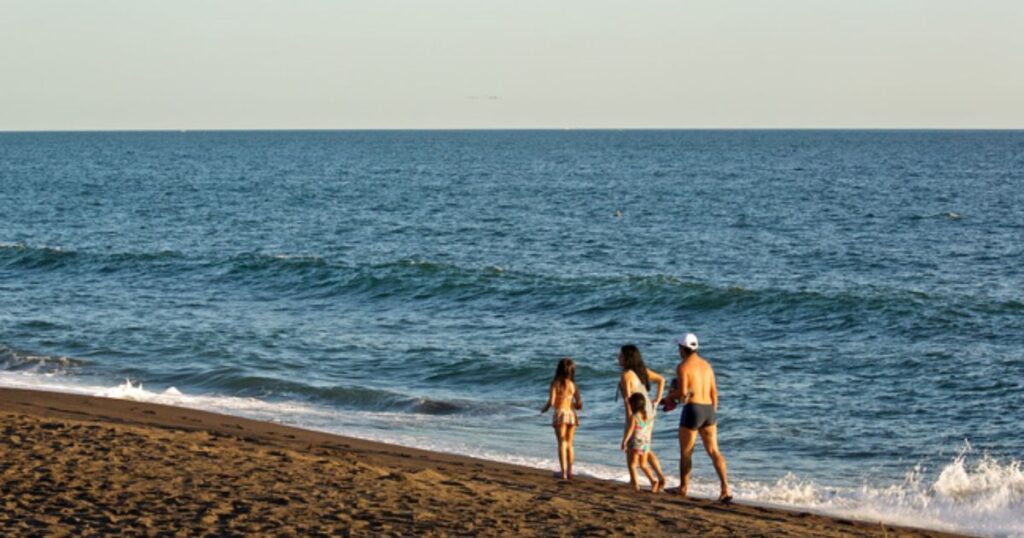
Stretching along the coastline between Monterrico and the town of Hawaii, the Biotopo Monterrico-Hawaii is a federally protected nature reserve that combines Pacific beach with one of Guatemala’s most important coastal wetland systems.
The reserve shelters several distinct ecosystems in a compact area: black sand beaches used by nesting sea turtles, mangrove forests teeming with bird life, and brackish lagoons connected by narrow canals. Four species of sea turtles have been recorded here, with olive ridley and leatherback turtles being the most common visitors during nesting season.
Highlights of a visit:
- Guided boat tours through the mangrove canal system
- Kayaking and stand-up paddleboarding on the interior lagoons
- Birdwatching — roseate spoonbills, boat-billed herons, wood storks, and dozens of migratory species
- Turtle hatchery visits at the research station near Monterrico village
- Sunset SUP tours on calm interior waters
This is one of those places where going with a local guide makes a significant difference. They know where the birds congregate, when the turtles come out, and which channels lead somewhere spectacular.
Takalik Abaj
If Tikal is Guatemala’s most famous Mayan site, Takalik Abaj is arguably its most historically fascinating. Located about 15 kilometers west of Retalhuleu on a working coffee and cacao plantation, this archaeological park sits at a remarkable cultural crossroads — it’s one of the only known sites where Olmec and Maya civilizations overlapped and influenced each other.
First settled around 1800 BC, the site covers roughly 6.5 square kilometers and contains over 275 identified structures spread across nine terraces. The monuments here — carved stelae, altars, and distinctive pot-bellied human figures — date from as early as 800 BC and show clear Olmec stylistic influence that gradually transitioned into early Maya forms. An unlooted royal Maya tomb was discovered here in 2002, and excavations continue today.
What makes Takalik Abaj special beyond the archaeology is the setting: you explore it on foot through shaded coffee groves, with howler monkeys in the canopy overhead and an almost meditative quiet that larger, more touristy sites have long since lost. Half a day is enough to do it justice.
Santa Lucía Cotzumalguapa
Don’t write off Santa Lucía Cotzumalguapa based on first impressions — it’s a working agricultural town built on the sugar industry, and it won’t wow you immediately. But the area surrounding it contains some of the most compelling pre-Columbian stone sculpture in all of Central America, carved by the ancient Pipil people.
The main archaeological draws are spread across a few sites north of the highway:
- El Baúl — an active site where local Maya still make offerings at ancient altars; the giant sculpted heads here are extraordinary
- Bilbao — stone carvings in situ among the sugarcane fields, including the massive 80-ton Monument 21
- Museo de Cultura Cotzumalguapa at Finca Las Ilusiones — an excellent collection of stelae gathered from local sites, with helpful context
Getting between these sites independently requires some planning — renting a tuk-tuk or taxi for half a day is the most practical approach. The carvings show remarkable detail, depicting deities, ball game players, and cosmic imagery unlike anything found at Guatemala’s highland sites.
Puerto Quetzal
Adjacent to Puerto San José, Puerto Quetzal is Guatemala’s largest Pacific port and the main entry point for cruise ships visiting the country. While it’s primarily a working container port, it’s also become a hub for one of the most extraordinary sport fishing experiences in the Western Hemisphere.
The waters off Puerto Quetzal hold staggering numbers of Pacific sailfish, and Guatemala has set multiple world records for single-day catches. A serious fishing day here might yield 15 to 25 sailfish releases — a number that draws anglers from across the Americas. Wahoo, dorado (mahi-mahi), and yellowfin tuna round out the offshore catch.
For non-fishers, Puerto Quetzal serves mainly as a transit point. Cruise ship passengers use it as their gateway to Antigua, the Mayan ruins, and Pacific beach towns. If you’re staying in the area, it’s worth combining Puerto Quetzal with a visit to Puerto San José and Iztapa rather than treating it as a standalone destination.
Things to Pack
Packing right for Guatemala Pacific Coast makes a real difference — the climate is demanding and the infrastructure in smaller towns is limited.
| Item | Why You Need It |
| High-SPF reef-safe sunscreen | Intense equatorial UV, black sand reflects heat |
| Insect repellent (DEET-based) | Mosquitoes are active, especially near mangroves |
| Cash (Guatemalan Quetzales) | ATMs are scarce or unreliable in small beach towns |
| Dry bag | Protects electronics, documents near the water |
| Rash guard / UV shirt | Essential for surf lessons and long beach days |
| Water sandals | Black sand gets extremely hot underfoot |
| Lightweight rain jacket | Afternoon showers are possible year-round |
| Rehydration tablets | Heat and humidity can cause dehydration quickly |
| Headlamp | Useful for nighttime turtle tours and power outage situations |
| Motion sickness tabs | For mangrove boat tours if you’re susceptible |
Where to Stay
Accommodation options on the Pacific Coast range from bare-bones surf shacks to boutique beach hotels. Here are two standout options in El Paredon that capture the best of what the coast offers.
Driftwood Surf Hostel: Budget-Friendly Vibes
Driftwood is El Paredon’s social hub and arguably the most well-known hostel on Guatemala Pacific Coast. It sits right on the beach, which puts you steps from the water and the main surf break. The property features a pool, volleyball net, hammock areas, and a cafe — essentially everything you need to spend three days without leaving the grounds.
Accommodation ranges from dorm beds (perfect for solo backpackers) to private rooms. It’s reliably social, consistently booked on weekends, and popular with the younger international crowd. Reserve ahead, especially between November and March.
El Paredon Surf House: Rustic Charm by the Sea
For travelers who want a step up from hostel life without losing the surf-town spirit, El Paredon Surf House delivers. Beachfront bungalows, sea view suites, and shared dorms give it flexibility across budgets. The vibe has been compared to a touch of Bali transplanted to the Guatemalan coast — tranquil pool area balanced with genuine surf energy.
Surf House is particularly popular with couples, small groups, and those who want organized surf lessons paired with comfortable accommodation.
How to Get Around
Getting around Guatemala Pacific Coast is manageable with the right approach.
From Guatemala City or Antigua:
- Shuttle buses are the most comfortable and stress-free option for reaching El Paredon and Monterrico. Book through your hostel or a travel agency in Antigua.
- Public chicken buses are cheap and frequent but slow, with multiple transfers required for beach destinations.
- Car rental gives the most flexibility, especially if you plan to visit multiple sites like Retalhuleu, Takalik Abaj, and Santa Lucía Cotzumalguapa in one trip.
Along the Coast:
- Tuk-tuks are the standard local transport within beach towns like El Paredon and Monterrico
- For Santa Lucía Cotzumalguapa’s archaeological sites, hire a tuk-tuk or taxi for a half-day
- The main Pacific Highway (CA-2) connects most coastal destinations; combined with local taxi and boat connections, it’s quite navigable
Best Time to Visit
How’s the Weather (Hot and Humid – 85°F Year-Round)
The Pacific Coast is warm to hot throughout the year, with temperatures ranging from about 68°F (20°C) at night to 99°F (37°C) during the hottest afternoon hours. The annual average hovers around 85°F (30°C) with consistently high humidity.
Dry Season (November to April) is the best time to visit for most travelers. Skies are clearer, surf conditions at El Paredon are at their most consistent and manageable for all levels, and wildlife activity is strong — sea turtles nest, and humpback whales appear offshore between December and April with peak sightings in January and February.
Rainy Season (May to October) brings afternoon downpours and occasionally messy surf. The landscape turns greener and more lush, crowds thin out significantly, and accommodation prices drop. It’s not a bad time to visit if you’re flexible with timing and don’t mind some rain — mornings are often sunny.
| Season | Months | Conditions | Best For |
| Dry Season | Nov – Apr | Sunny, breezy, 80–95°F | Surfing, turtle watching, whale watching |
| Rainy Season | May – Oct | Humid, afternoon showers, greener | Lower prices, fewer crowds, lush scenery |
Conclusion
Guatemala Pacific Coast rewards travelers who show up curious and pack their patience. It doesn’t have the postcard-perfect white sands of Caribbean destinations, but what it offers instead is far more interesting: ancient archaeological sites still being excavated, a surf scene that’s earned global recognition, mangrove ecosystems bursting with wildlife, and beach towns where the pace of life still matches the rhythm of the tides.
Whether you spend a long weekend in El Paredon chasing waves, join a midnight turtle release at Monterrico, or wander through 3,000-year-old Olmec carvings at Takalik Abaj, you’ll leave with the distinct feeling that you found something most tourists completely missed.