Guatemala doesn’t get the same beach buzz as its neighbors, but it absolutely should. After living in the country for over 25 years, I’ve explored nearly every stretch of coastline it has to offer from wild surf breaks on the Pacific to calm, crystal-clear waters on the Caribbean. The Guatemalan beaches on both sides of the country each have a completely different feel, and I love them for different reasons.
Whether you’re chasing waves, releasing baby turtles, or just looking for a quiet spot to watch the sunset with a cold drink in hand, this guide covers it all. I’ve split things up by coast and even included a couple of stunning lakeside options that most visitors completely miss.
Related Post: 27 Fun Facts About Honduras You Didn’t Know!
Best Guatemalan Beaches on the Pacific Coast
The Pacific side of Guatemala is raw, dramatic, and wildly beautiful. Most beaches here are covered in dark volcanic sand a direct result of the country’s active volcanic landscape and the waves are strong enough to attract surfers from around the world. It’s not the place for a calm swim but it’s absolutely perfect if you want energy, scenery, and that classic laid-back surf town vibe.
Sunsets on the Pacific coast are something else entirely. The dark sand catches the light in a way that makes the whole beach glow orange and gold. Most of these beaches are also within a two-to-three-hour drive from Antigua or Guatemala City, which makes a weekend escape very doable.
El Paredón
El Paredón is hands down the most popular beach in the country right now. I’ve watched it slowly transform from a quiet fishing village into a trendy surf destination over the years and yet it still hasn’t lost its soul. You’ll find digital nomads working from beachfront cafés, expats who never quite left, and local families all sharing the same stretch of black sand. It’s only about two hours from Antigua, which makes it the perfect quick getaway. The El Paredón surf town has become a favorite on the international surfing circuit for good reason the waves are consistent, powerful, and genuinely fun to ride. Beyond surfing, there are mangrove boat tours, sea turtle conservation programs, and local massage therapists working right on the beach.
Monterrico
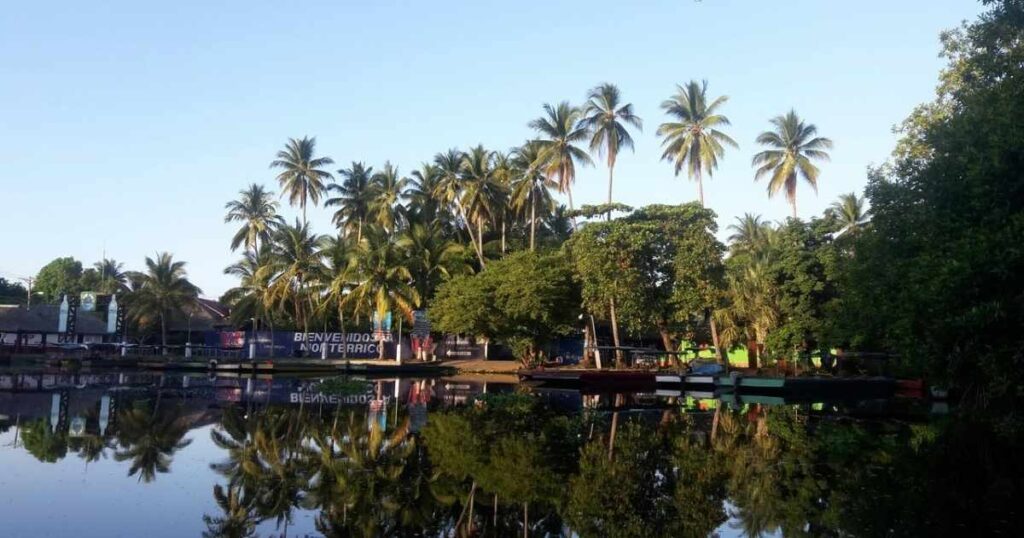
Monterrico is where my family goes when we need a proper beach escape. My kids learned to surf here and we’ve returned more times than I can count. The town sits inside the Monterrico-Hawaii Natural Reserve, which means the surrounding environment is genuinely protected. Mangrove kayaking, stand-up paddleboarding, and birding are all popular here but the real highlight, especially if you have kids, is the turtle release program. Watching a nest of baby sea turtles scramble toward the ocean at sunset is one of those experiences you simply don’t forget. Monterrico beach activities genuinely cater to all types of travelers, from adventure seekers to those who just want to relax with their feet in the dark sand.
Puerto San Jose
Puerto San Jose is the closest beach to both Guatemala City and Antigua, which makes it the most visited on the Pacific side. It’s busy, especially on weekends, but the infrastructure is well-developed. You’ll find great seafood restaurants, clean stretches of beach, and solid hotel options across different budgets. It’s also a top spot for sport fishing the Pacific waters off this coast are loaded with marlin, dorado, and sailfish. On your way in or out, stop by Auto Safari Chapin and Escuintla town for a worthwhile detour.
Iztapa Beach
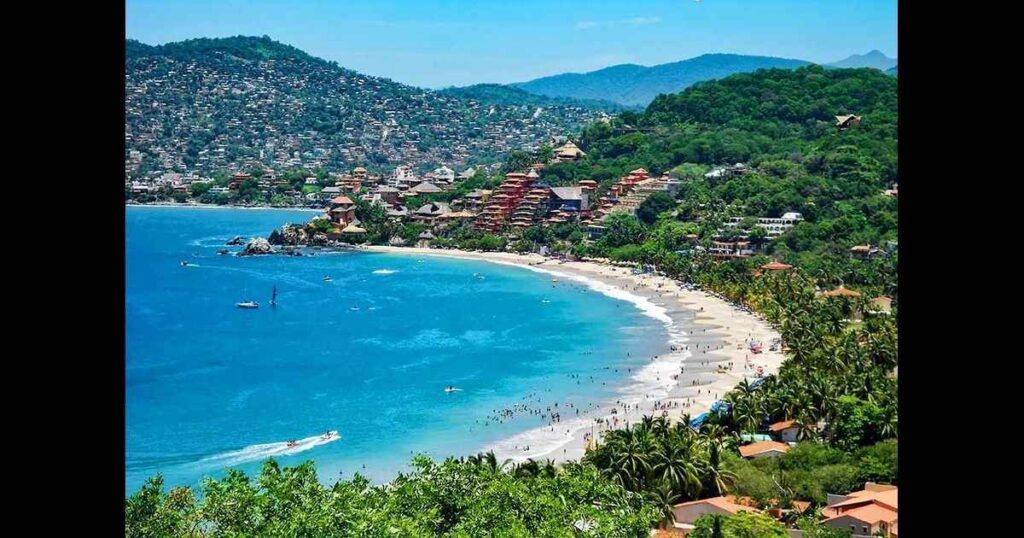
Iztapa used to be almost entirely a working port town but it’s become a legitimate beach destination in its own right. The black sand here is gorgeous and the town has developed a good mix of restaurants and guesthouses over the years. One of the biggest draws for me is whale-watching season humpbacks pass through these waters between July and October and a boat trip out to spot them is genuinely unforgettable. Iztapa is also one of the better Guatemala snorkeling spots on the Pacific, particularly around the nearby sandbar you can reach by a short boat ride.
Playa Tilapa
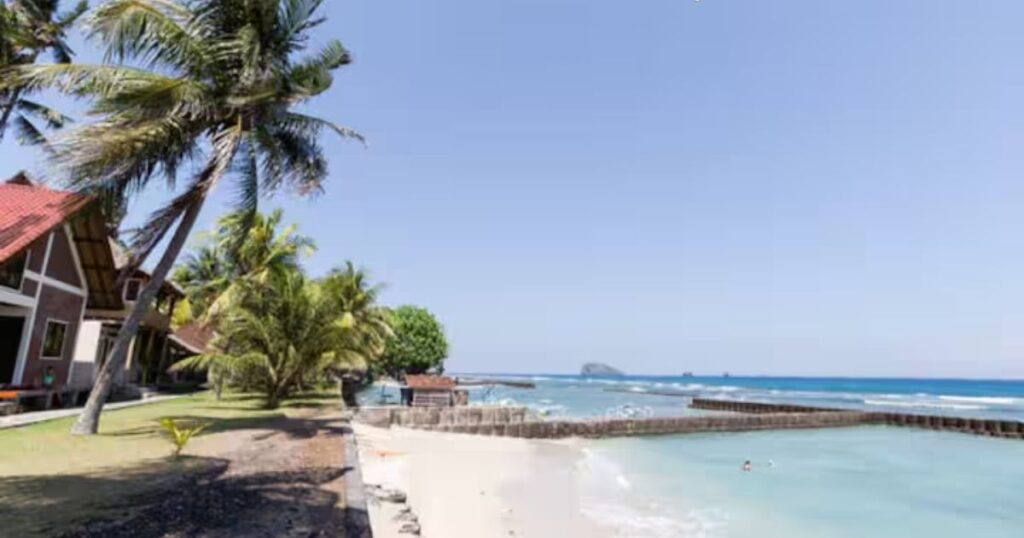
If you want to escape the crowds entirely, head to Tilapa. It’s located in the far southwest of the country, close to the Mexican border, and it still has the feel of a genuine fishing village that hasn’t been touched much by tourism. Pack your own snacks and expect basic amenities but in return, you get uncrowded black-sand beaches and a quiet that’s genuinely hard to find anywhere else. Take a ten-minute boat ride to nearby Tilapita and you’ll find a beach so unspoiled it feels like it belongs to you alone. This is one of the true hidden beaches in Guatemala that most visitors never discover.
Playa Las Lisas
Playa Las Lisas sits in the Santa Rosa department, tucked between the Canal de Chiquimulilla and the open Pacific. The point where the canal meets the sea known as the Boca Barra is spectacular and worth visiting on its own. The beach itself is clean and peaceful, with a tropical character that feels more remote than the other Pacific options. Diving here is underrated: there are two sunken ships beneath the surface and visibility is usually quite good. Humpback whales and dolphins also pass through regularly, making this one of the most rewarding spots on the coast for wildlife lovers.
Best Beaches on the Caribbean Coast
The Caribbean coast of Guatemala is a completely different world. The sand turns white, the water calms down, and the culture shifts dramatically you’ll hear Garifuna music drifting from doorways and smell coconut-based cooking from small kitchen shacks. The vibe here is slower, warmer, and deeply rooted in Afro-Caribbean heritage. It’s not as accessible as the Pacific side but that’s part of what makes it special.
Most travelers enter through Puerto Barrios, but I’d encourage you not to stop there. The real magic is further along the coast, in places like Livingston and Punta de Manabique, that you can only reach by boat. Caribbean coast Guatemala travel rewards patience you have to work a little harder to get to the best spots but it’s absolutely worth it.
Puerto Barrios
Puerto Barrios is the main gateway town on the Caribbean side, sitting in the Izabal department. Most travelers pass through on their way somewhere else and honestly, that’s fine but the town does have a couple of decent beaches worth checking out, including Punta Palma, which is my favorite nearby option. The water is clear and the sand is white, which is a nice contrast to the Pacific side. There are solid seafood restaurants and a lively market in the town center. Still, I’d recommend using Puerto Barrios as a launchpad rather than a final destination Livingston, just a short boat ride away, is far more rewarding.
Punta de Manabique
About 20 kilometers north of Puerto Barrios, Punta de Manabique is a protected wildlife peninsula covered in mangroves, rainforest, and quiet beaches that feel almost completely untouched. You need a boat to get there, which naturally filters out the casual tourists. I went with my kids and it was one of our best adventures in Guatemala. The beach is pristine and uncrowded, the snorkeling is excellent, and the biodiversity of the surrounding reserve is remarkable. It’s also a fantastic spot for sport fishing. This is genuinely one of the hidden gems on the Guatemala coast that most people never find.
Playa Capitania
Playa Capitania is the main beach in Livingston a vibrant, colorful Garifuna town at the mouth of the Rio Dulce. Getting to Livingston is an adventure in itself: you arrive by boat, either up the river from Rio Dulce or across the bay from Puerto Barrios. The beach here has real character. Colorful wooden fishing boats bob in the shallows, reggae music carries on the breeze, and friendly locals are usually up for a beach volleyball game. Fresh coconut water, grilled fish, and a spectacular sunset are basically guaranteed. For family-friendly beaches in Guatemala with genuine cultural depth, Livingston is hard to beat.
Playa Blanca
Playa Blanca is as close to paradise as Guatemala gets. It’s a 30-minute boat ride from Livingston and about two hours from Rio Dulce and it is absolutely worth every minute of the journey. White sand, calm turquoise water, swaying palm trees. It checks every box. Since the beach is privately managed, there’s a small admission fee of around Q15 (roughly $2), which helps keep it clean and uncrowded. Many tour agencies in Livingston offer packages combining Playa Blanca with a stop at Los Siete Altares, a series of stunning freshwater falls nearby. If you’re wondering how to get to Playa Blanca Guatemala, just head to the boat docks in Livingston it’s easy to arrange on the day.
Lakeside Beaches in Guatemala
Guatemala is famous for its lakes and two of them Lake Atitlan and Lake Izabal offer beach experiences that rival anything on the coast. These aren’t ocean beaches but don’t let that put you off. The water is clean, the scenery is extraordinary, and the crowds are manageable if you choose the right spots.
Lakeside swimming is a slightly different experience no waves, no salt, and the temperature tends to be cooler than the coast. But what you gain is dramatic mountain scenery, quieter villages, and some genuinely underrated spots that most beach-focused travelers skip entirely. If you’re already visiting either lake, carve out time for a swim.
Playa Dorada, Izabal Lake
Playa Dorada sits on the shores of Lake Izabal Guatemala’s largest lake and offers nearly 16 kilometers of clean white-sand beach. The water is clear enough for comfortable snorkeling and the beach is well-maintained with hotels, restaurants, and water activity operators offering jet skis and banana boat rides. It’s a genuinely fun day out. The surrounding Izabal Lake beaches area also includes the historic Castillo de San Felipe nearby, giving you plenty of reasons to turn it into a full weekend trip.
Cerro Tzankujil Nature Reserve, Lake Atitlan
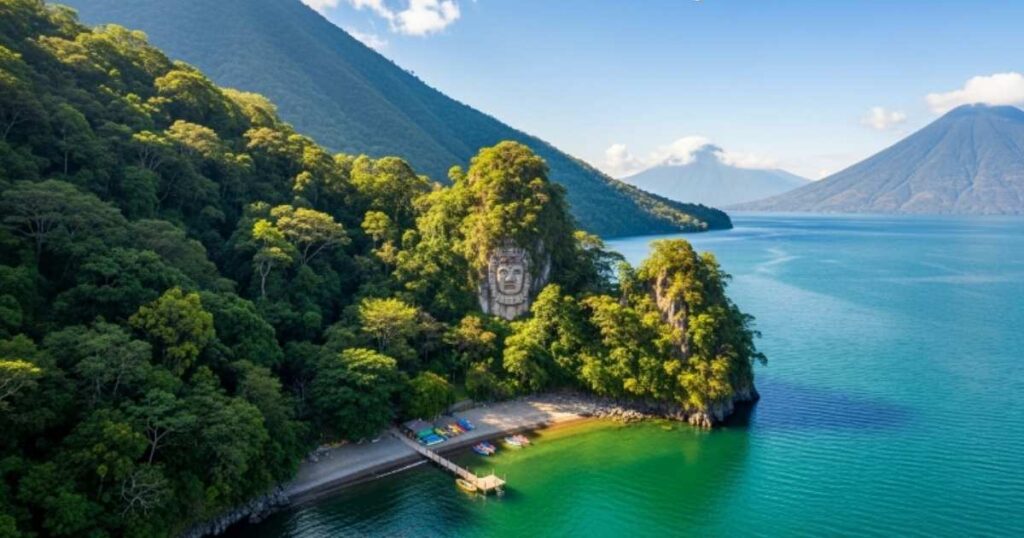
The Cerro Tzankujil Nature Reserve near San Marcos la Laguna is one of the most visually stunning swimming spots in all of Guatemala. There’s no sandy beach here instead, rocky platforms are built into the cliff face, ideal for sunbathing and cliff jumping. The backdrop is pure Atitlan: deep blue water, three towering volcanoes, and green jungle rolling down to the shore. The reserve charges a small entry fee, which keeps it quiet and well-maintained. It’s easily one of the best places in the country to swim and soak in the scenery at the same time.
What to Pack for Your Beach Getaway in Guatemala?
Packing right can make a real difference, especially if you’re heading to one of the more remote spots. You won’t always find a pharmacy or convenience store nearby, so it’s worth being prepared before you leave. The basics sunscreen, a hat, sunglasses, and a reusable water bottle are non-negotiable in Guatemala’s tropical heat.
For the more adventurous beaches, a few extras go a long way. Here’s what I always bring on a Guatemala beach vacation:
- Sunscreen (SPF 50+ the tropical sun is no joke)
- Hat and sunglasses
- Beach towel or blanket
- Reusable water bottle
- Snorkel and mask (especially for Caribbean spots)
- Waterproof phone case
- Bug spray (mangrove areas especially)
- Aloe vera gel
- Basic first aid kit
- Local currency Quetzales (many remote beaches are cash only)
When is the Best Time to Visit These Beaches?
The best time to visit Guatemalan beaches is during the dry season, which runs from November through April. During these months, you’ll get sunny days, lower humidity, and calm seas perfect conditions whether you’re surfing the Pacific or snorkeling on the Caribbean side.
That said, Guatemala has a warm climate year-round with temperatures typically ranging from 23°C to 30°C. Even during the rainy season, showers tend to be short and pass quickly usually just a couple of hours in the afternoon. However, September and October bring heavier, more sustained rainfall and I’d avoid planning a beach trip during those two months if you can help it.
How to Get Around
The best way to travel between Guatemala beach destinations is by renting a car. It gives you complete freedom, saves you money on tours, and lets you stop at places that shuttle services completely skip. The roads to most beaches are manageable and the drive itself is often part of the fun you’ll pass through small towns, farmland, and some beautiful countryside.
If renting a car isn’t an option, shuttles and organized tours work well for the more popular spots like El Paredón, Monterrico, and Livingston. Just keep in mind that costs add up quickly and you’ll be on someone else’s schedule. I’d avoid local chicken buses for beach trips they’re often crowded, slow, and not well-suited for luggage or wet gear.
Where to Stay
My recommendation is to use Antigua as your home base for exploring the Pacific coast beaches. It’s beautifully preserved, central, and packed with tour operators offering day trips and weekend packages. For the Caribbean side, Livingston or Puerto Barrios work well as overnight bases.
Here are a few places I’ve personally stayed and genuinely enjoyed:
- Porta Hotel Antigua Colonial architecture, lush gardens, and a great pool. Ideal for a comfortable, upscale stay.
- Hotel Museo Casa Santo Domingo Mid-range, historically rich, and excellent food. A real Antigua experience.
- Hotel Aurora Cozy and family-friendly with warm, personalized service. Great value.
Conclusion
Guatemala is one of those rare countries where you can surf black volcanic sand on a Monday and float in clear Caribbean water by Friday. The variety here is remarkable and most of it is still well off the international tourist radar. Whether you’re planning a weekend trip from Antigua or building a longer beach itinerary from scratch, the Guatemalan beaches covered in this guide offer something genuinely different from the usual Central American circuit.
Don’t overlook the lakeside options either. Lake Atitlan and Lake Izabal add a completely different dimension to the country’s beach scene. Start with El Paredón or Monterrico if it’s your first visit, then work your way to the hidden corners Tilapita, Punta de Manabique, Playa Blanca where the real magic quietly waits.